Note: This class was originally scheduled for September.
Neurodiversity recognizes that people experience and interact with the world in many ways. While there are many dimensions to neurodiversity, it is often used in the context of the autism spectrum as well as other neurological or developmental conditions. By developing a better understanding of neurodiversity, library staff can create more inclusive library environments through interactions, spaces, services, and programs that welcome and respect neurodiverse patrons. Discover innovative design and service approaches that accommodate a wide range of needs, making your library a more inclusive and accessible resource for your community.
- Developing a better understanding of neurodiversity, its various dimensions, and the unique needs of neurodiverse patrons.
- Improving interaction and communication with neurodiverse patrons, ensuring they feel valued and supported.
- Employing effective strategies for addressing challenging patron behaviors that may arise due to neurodiversity.
- Designing more accessible and inclusive library spaces and programming for patrons with differing needs.
Instructor(s)
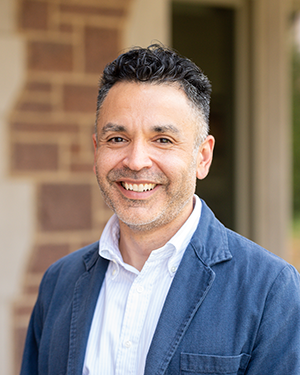
Prior to joining Amigos Library Services in 2020, Miguel served as director of the American Library Association's Center for the Future of Libraries; director of member programs at the American Theological Library Association; and director of the American Library Association's Office for Diversity & Spectrum Scholarship Program and Office for Literacy and Outreach Services. He has held positions with New York University Medical Center's Ehrman Medical Library and Neal-Schuman Publishers. Miguel is a graduate of the University of Arizona’s Knowledge River Program, an initiative that examines library issues from Hispanic and Native American perspectives.