
Opening Keynote - Flexibility as a Superpower: Reimagining Library Staffing, Partnerships, and Community Impact
Libraries have always adapted to meet their communities' needs, but today's environment demands a new level of flexibility. From evolving staffing models and emerging technologies to shifting community expectations and funding realities, libraries are being asked to do more, differently, and often with fewer resources.
Drawing on examples from Mizzou Libraries, Caltech, and NYU as well as collaborations across Missouri and beyond, Kara Whatley explores how libraries can build adaptable organizations while remaining firmly grounded in their mission and values. Participants will leave with practical ideas for fostering a culture of innovation, empowering staff at all levels, and positioning libraries as essential community partners in a rapidly changing world.
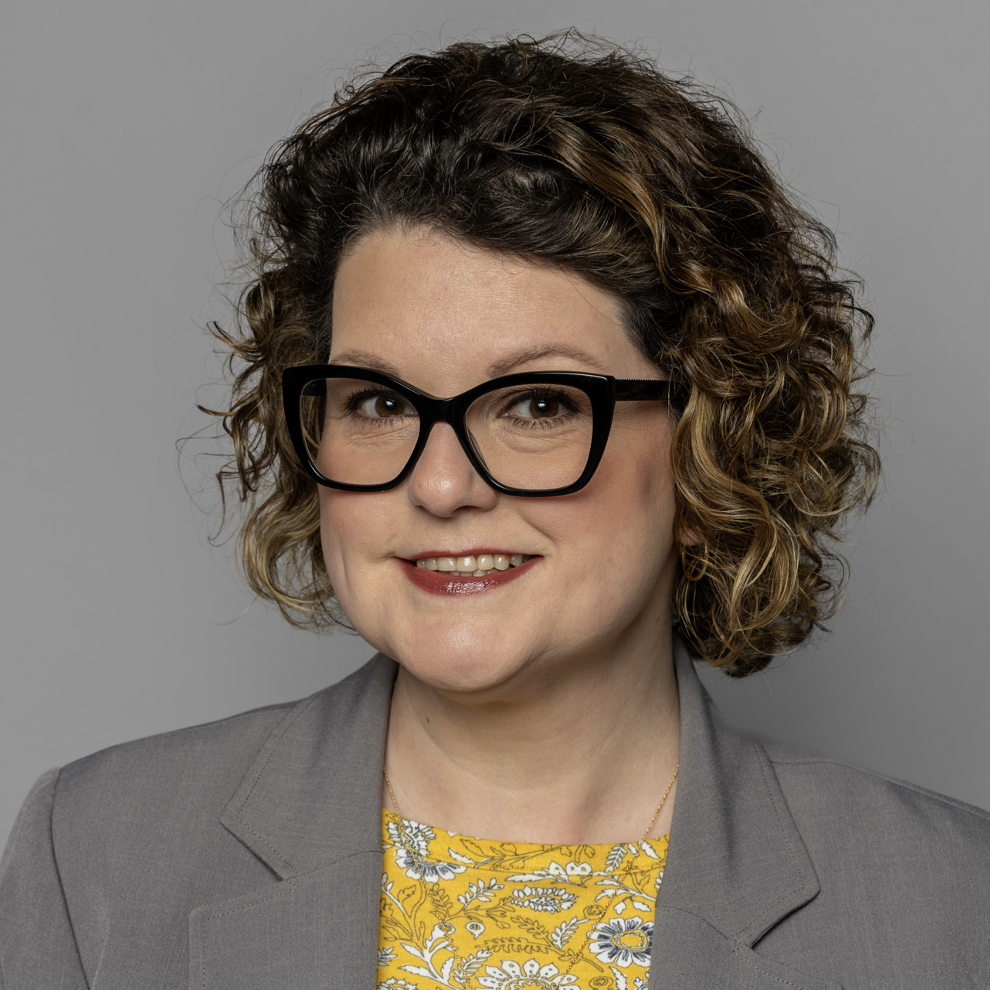
Kara Whatley is Vice Provost for Libraries and University Librarian at the University of Missouri, a position she has held since 2024. She was previously University Librarian at the California Institute of Technology from 2019 to 2024. Prior to joining Caltech, Kara was Head of Science and Engineering for the NYU Division of Libraries. Kara holds a master's degree in biological sciences from Texas Tech University, a master's degree in library and information studies from the University of Oklahoma, and a Bachelor of Arts in biology from Hendrix College. She is an active member of the American Library Association and the Association of College and Research Libraries. She is currently the ACRL liaison to IFLA's Science & Technology Libraries Section and serves as chair of the section. Her professional and research interests include mentoring opportunities for new library professionals, user behavior in virtual reference environments, and psychological safety in academic libraries.
Uprooted: Channeling Departmental Change to Build Communities of Practice Beyond the Library
In this session, panelists will discuss their experience creating and implementing a 15-week departmental bootcamp designed as a response to departmental and organizational change as well as to the revitalization of existing library structures. Panelists will reflect on the planning process of the bootcamp's scaffolded approach, the values and frameworks taken into consideration when creating the program, and how they balanced their professional values while navigating local and national attitudes surrounding higher education and librarianship. Additionally, panelists will speak to how the program reflected accessible, equitable services and helped to realize a community of practice that engages stakeholders beyond the library sphere.
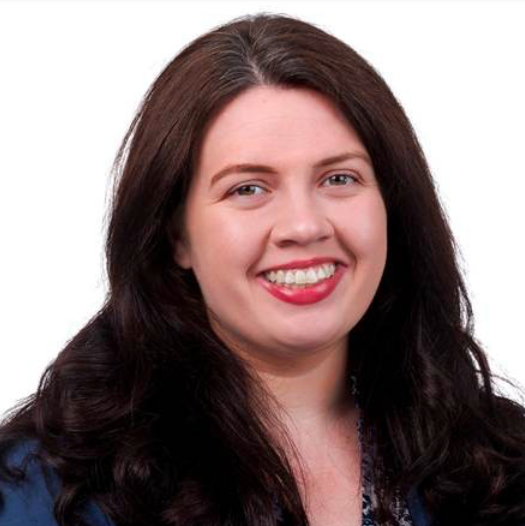
Emily Bowie (she/her) is an Academic Success Librarian and library liaison to the Colleges of Business, Health, and Human Services (CBHHS) at University of Arkansas at Little Rock. Her research interests focus on scholarly communication, the library liaison model, open educational resources, and the role of librarians in supporting academic and student success.
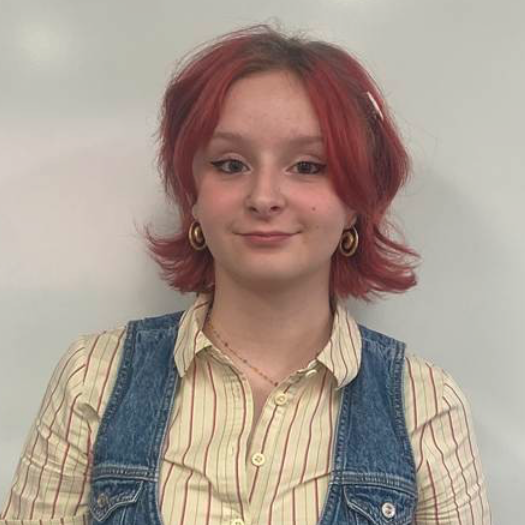
Kylie Colter (she/her) is an undergraduate student at UALR majoring in Web Design and Development and is a student worker in Ottenheimer Library's Academic Success Department. After graduating, she intends to have a career as a UI/UX Designer.
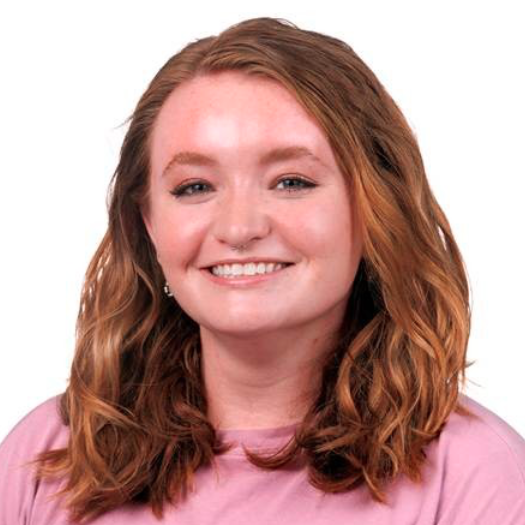
Amie Johnson (she/hers) is an Academic Success Librarian at the University of Arkansas at Little Rock’s Ottenheimer Library and is the liaison to the colleges of Humanities, Art, Social Sciences, and Education (CHASSE). Amie has an MLIS from the University of Oklahoma. Her research interests focus on open educational resources and open pedagogy, the library liaison model, and academic versus student success.
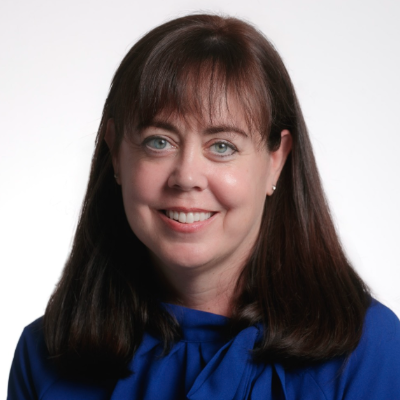
Michelle Malone is the Library Communication Specialist at the University of Arkansas at Little Rock's Ottenheimer Library. She holds a master's degree in applied communication from the University of Arkansas at Little Rock, and a bachelor's degree in communication with an art minor from the University of Minnesota-Duluth. As a library representative to the campus and community, Michelle bridges gaps between the library and non-academic departments, leveraging her communication expertise to create welcoming environments and empower meaningful connections throughout the university campus and community.
The Encore Workforce: Leveraging Retired Professionals for Flexible Library Staffing
Libraries face growing staffing challenges, increasing service expectations, and ongoing demands for specialized expertise. At the same time, millions of experienced professionals are entering retirement while seeking meaningful opportunities to remain engaged through flexible, part-time, or project-based work. Explore how these trends create an opportunity for libraries to rethink traditional staffing models and tap into an often-overlooked talent pool.
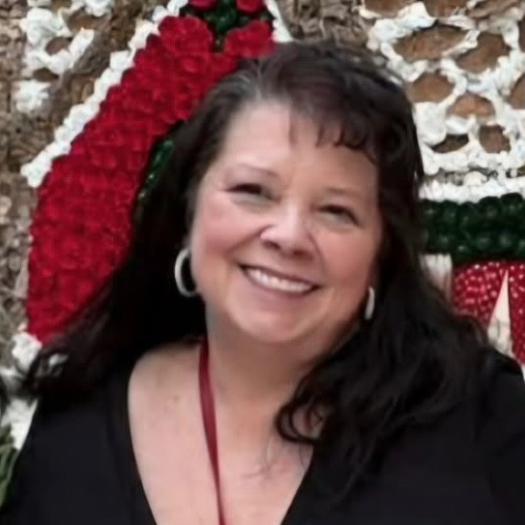
Joni Spalding is a retired educator and administrator who serves as a Children's Librarian with Boonslick Regional Library in Missouri. During her 30-year career, she worked as a classroom teacher, school librarian, and elementary principal. She now develops children's programs, literacy initiatives, and grant-funded projects. Her experience in education and libraries provides a unique perspective on flexible staffing and the value of experienced professionals.
The Flexible Supervisor: Helpful Approaches to Managing Student Employees
Between balancing class schedules, jobs, internships, and other campus activities, student employees are often some of the busiest people on a college campus. For supervisors in academic libraries, how can we successfully manage a student workforce amid constantly changing schedules and priorities?
This session will share lessons from supervisors in the University of Missouri's Digital Initiatives department, including how to maintain flexible scheduling, adaptable workflows, and simple strategies for matching students to engaging projects. We will also address common challenges libraries may face, such as limited equipment, shared workspaces, and how to approach rotating projects, tasks, while maximizing department productivity.
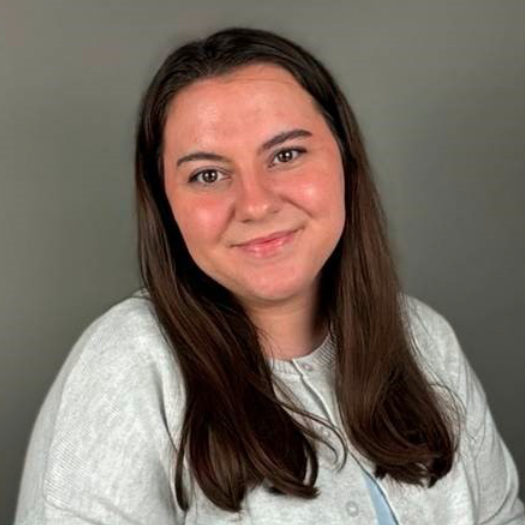
Danielle Gorman is a Senior Library Information Specialist in the University of Missouri's Digital Initiatives department. Her work focuses on overseeing and supporting digitization projects, as well as mentoring a team of student workers. She is currently pursuing a Master of Library and Information Science (MLIS) degree at the University of Missouri.
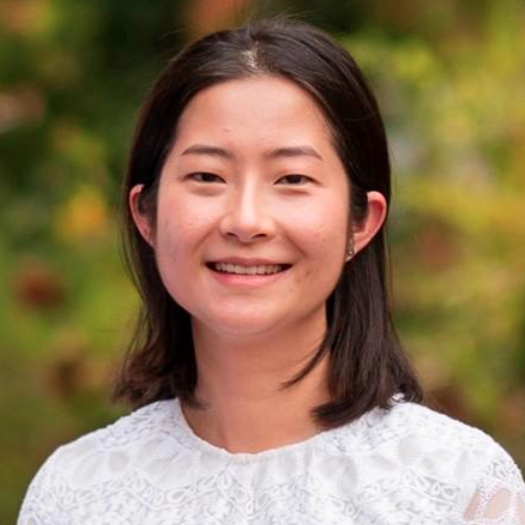
Ying Hu is the Repository Services Librarian at the University of Missouri Libraries, where she manages the university's institutional repository and its digital library. She specializes in digital curation, metadata standards, and repository workflows that support open access and scholarly communication.
Reaching Wider Audiences for Free* With Online, Hybrid and Email Based Programs
No budget? No problem! You too can create high-quality, alluring and accessible programs for nearly nothing. Whether you're looking for one-off, weekly, children’s programs or adult programs, there is a way! And best of all, patrons are interested: We regularly see 20-50 patrons for niche programs and 200+ for popular appeal programs.
Session attendees will learn about several successful online, hybrid, and email-based programs created with a near zero budget. They will learn to leverage resources and skills they already have but might overlook when considering programming. They will come away with a framework for developing their own low-to-no-cost programs while also learning to avoid common pitfalls.
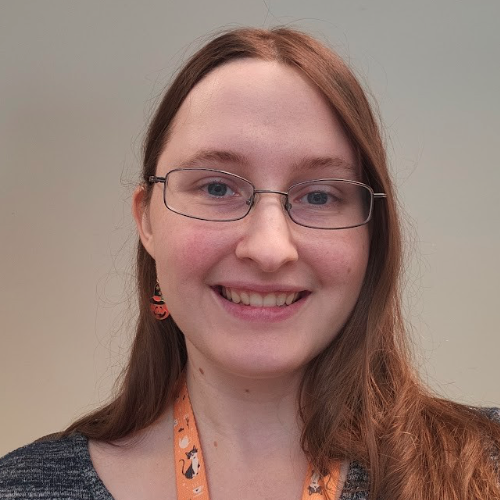
Pauline Wilkinson is a Librarian II at the San Diego Public Library. She obtained her MLIS from Texas Women's University and has worked in public libraries for over 10 years in Texas and California. She currently works in the Humanities department of the Central Library where she provides reference and tech assistance while creating and facilitating humanities-based programs.
Closing Keynote - Developing Flexible Leadership Skills – Preparing for What's Ahead and Around the Corner
In today's world it is no longer enough to look straight ahead. Flexible leaders learn to see around corners – to spot leading indicators or inflection points as they are developing – and initiate plans to maximize the opportunities. Library staff in non-leadership roles can learn to identify these signals as well, positioning themselves to withstand and thrive through changes to the library field. Informed by decades of experience as a leader in Texas libraries, we will focus on how to spot leading indicators and distinguish them from lagging indicators, work together as a team to spot signs of change and bring them to leadership, and use these signals to maximize our library users’ satisfaction.
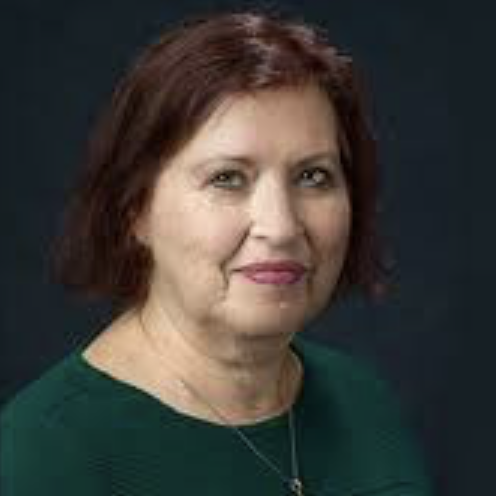
Gretchen Pruett is currently an Adjunct Professor for the University of Texas at Austin School of Computing. She was the Library Director for the New Braunfels Public Library from 2008 to 2024, and spent over 30 years in public libraries. She holds a Master of Library Science degree from the University of Texas at Austin and received a Bachelor of Business Administration – Accounting degree from the University of Toledo. She has been active in the Texas Library Association throughout her career and served on the Executive Board as Treasurer and as President. She also serves on the boards of PLAN, Inc., the Texas Library and Archives Foundation, and Kyle Public Library. She is a Law 4 Librarians trainer through the American Library Association.